Psyphantys
Interactive Installation
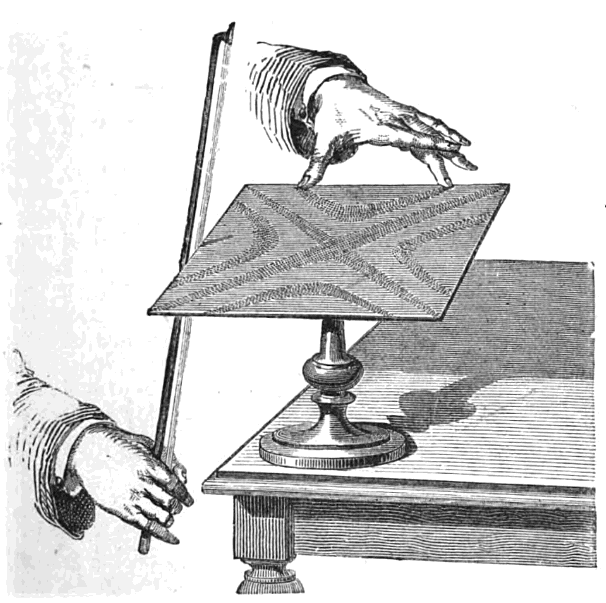
Psyphantys is an interactive installation that transforms touch into sound‑driven visual resonance. Inspired by the ambiguous presence of the Ouija board and the physical logic of Chladni patterns, the piece invites participants to explore how gesture, vibration, and frequency can shape meaning. Through multimodal interaction, Psyphantys creates a shared moment of uncertainty, curiosity, and interpretation.
Context
Role: Interaction design, physical computing, sound design, prototyping, experience design
Type: Multimodal installation, physical computing — group project (3 designers)
Exhibited at: Former Saceba cement factory, Morbio Inferiore (CH)
Duration: 8 weeks Skills: Arduino, capacitive sensing, sound design, prototyping, UX for installations, narrative framing
Technologies: Arduino, capacitive sensing (MPR121), I2S audio synthesis, vibration motors, frequency modulation, physical prototyping
Intent
Psyphantys was developed within a course exploring the technological potential of contemporary camera systems as interactive, computational devices. Framed as a speculative‑fiction exercise, the course invited us to design “magical cameras” — hybrid artefacts that extend human perception beyond its natural limits through sensors, computer vision, and machine‑learning tools. By hacking or reimagining physical objects, we were encouraged to merge hardware and software into cohesive fictional devices capable of revealing alternative, non‑human ways of seeing.
Within this context, Psyphantys began with a guiding question: How can an interactive system evoke presence without revealing its logic?
Rather than guiding participants toward a predefined outcome, the installation creates a space where meaning emerges from interaction. Psyphantys explores:
- the tension between control and unpredictability
- the emotional charge of ambiguous systems
- the poetic potential of sound, vibration, and resonance
- the role of the body in shaping interpretation
The project aligns with the course goals of conceiving innovative interactive artefacts, producing exhibition‑ready work, and developing rigorous documentation — while extending the brief toward a multimodal, ritual‑like experience grounded in ambiguity and embodied perception.
Interaction Concept
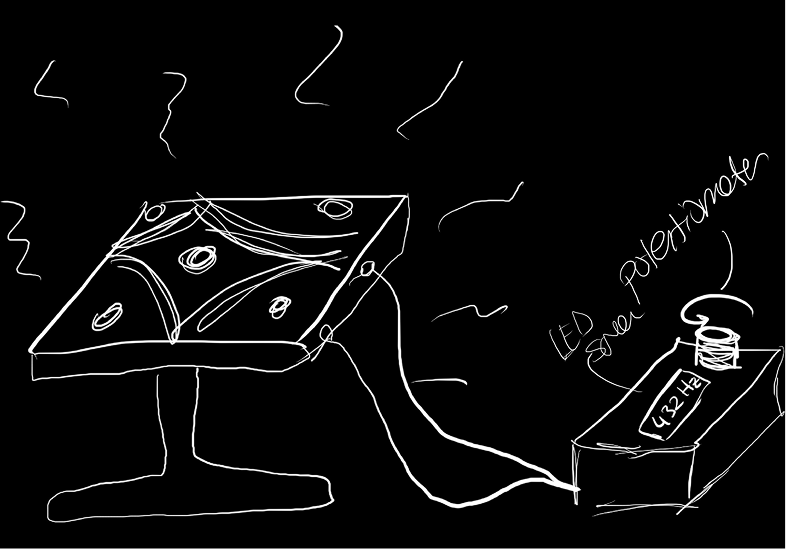
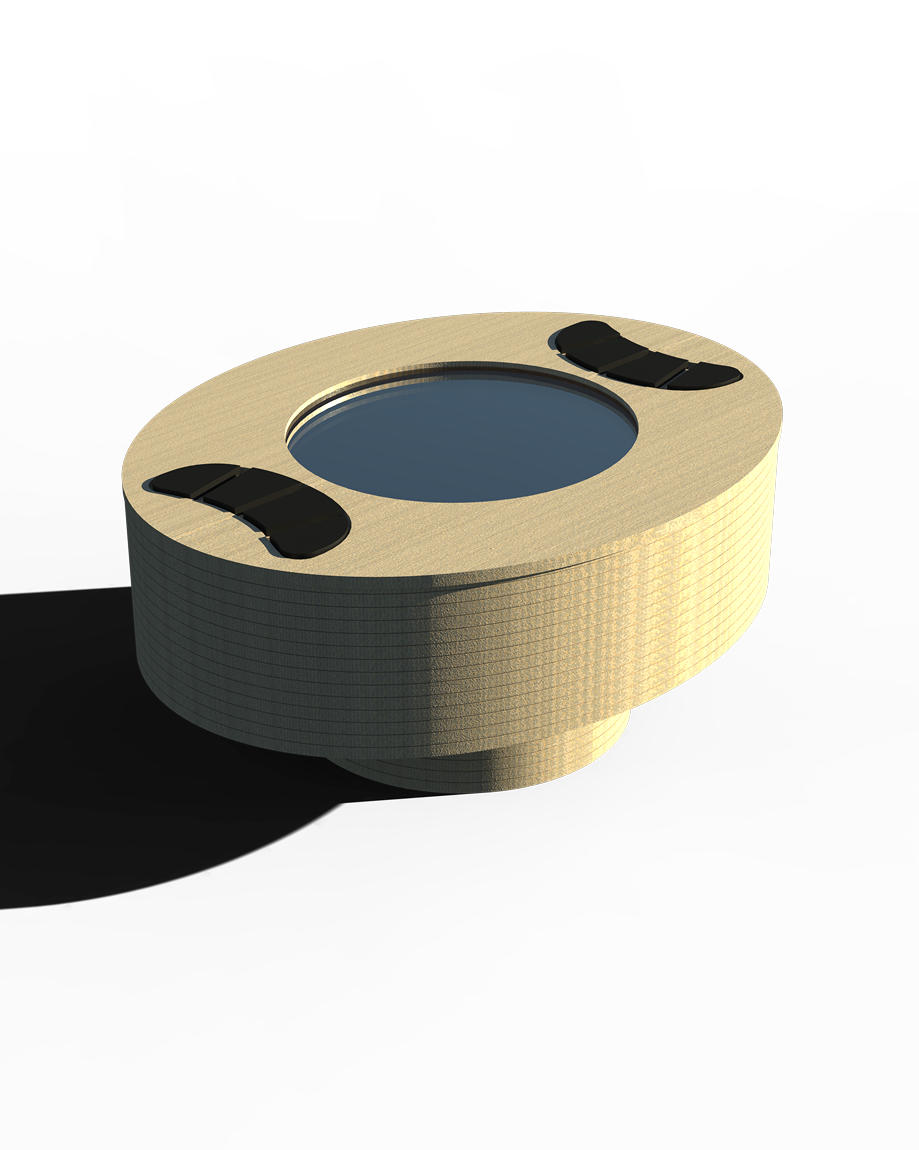
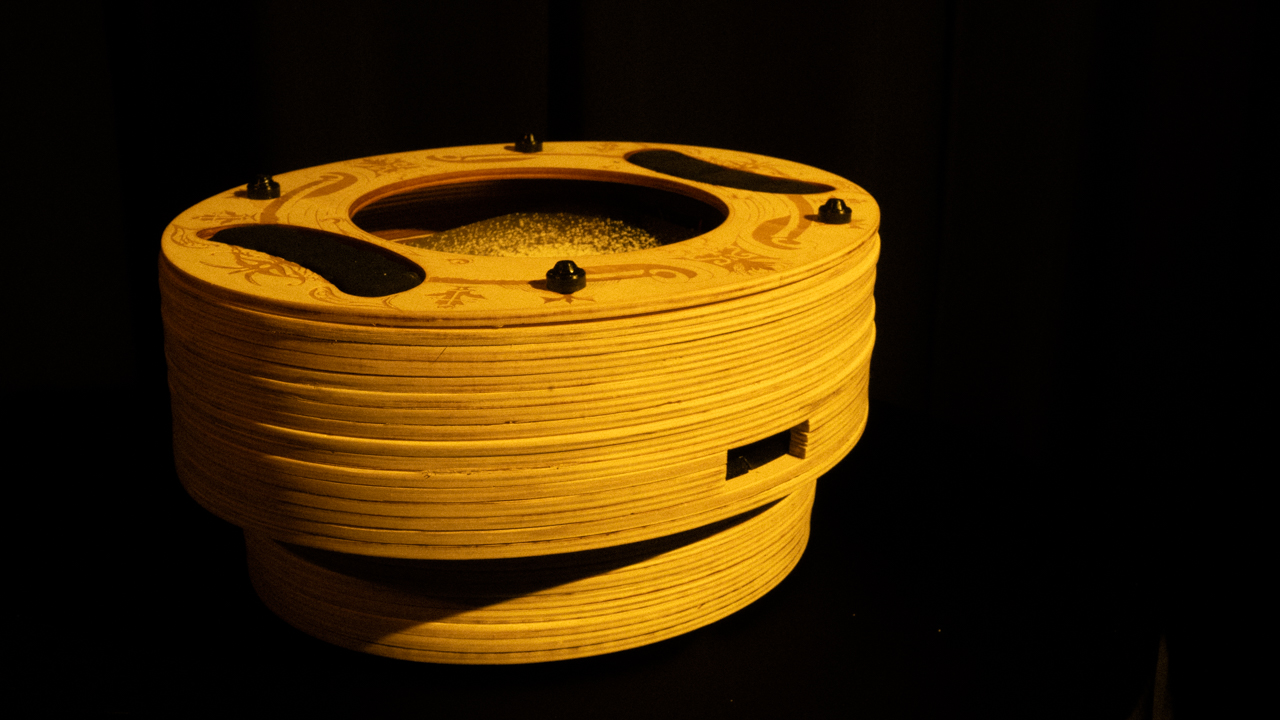
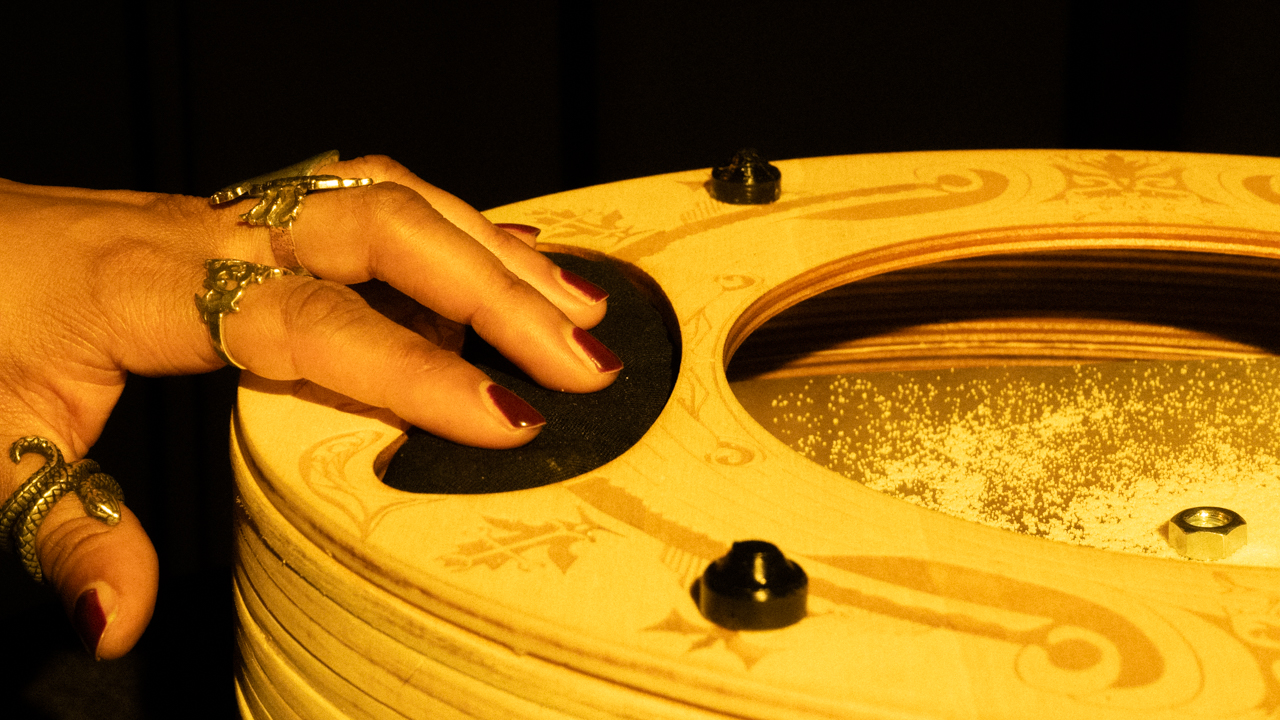
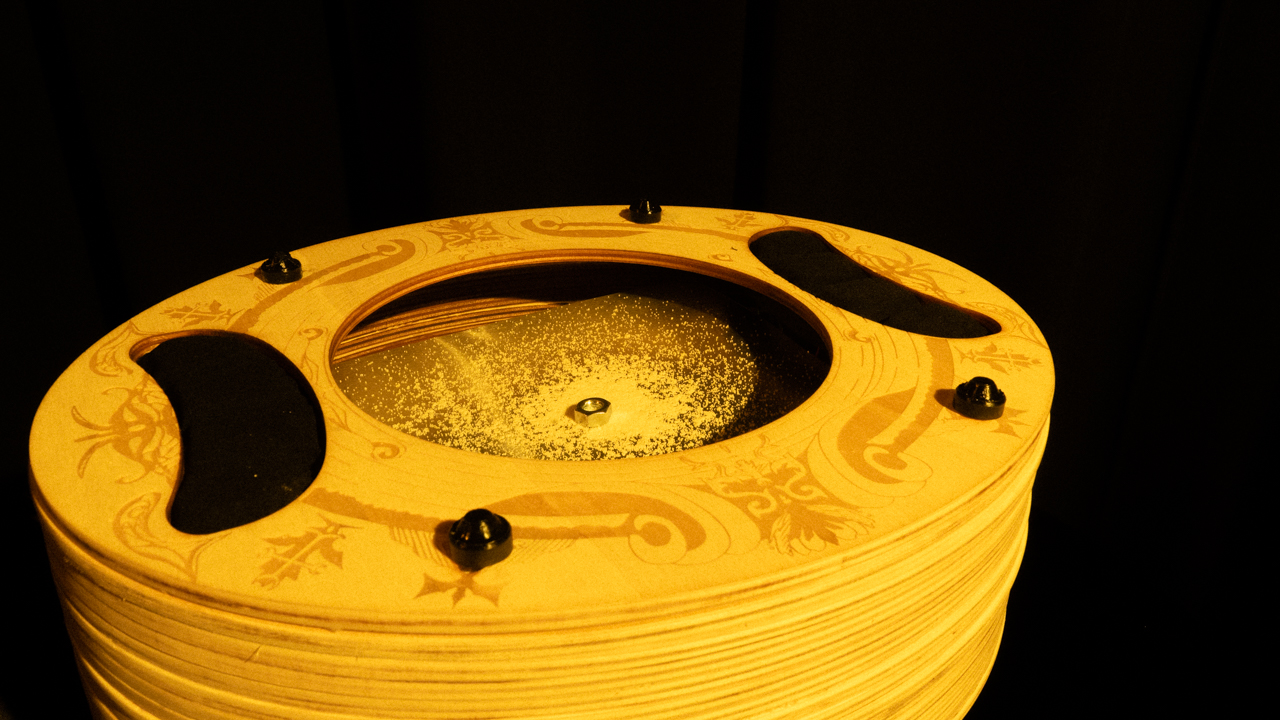
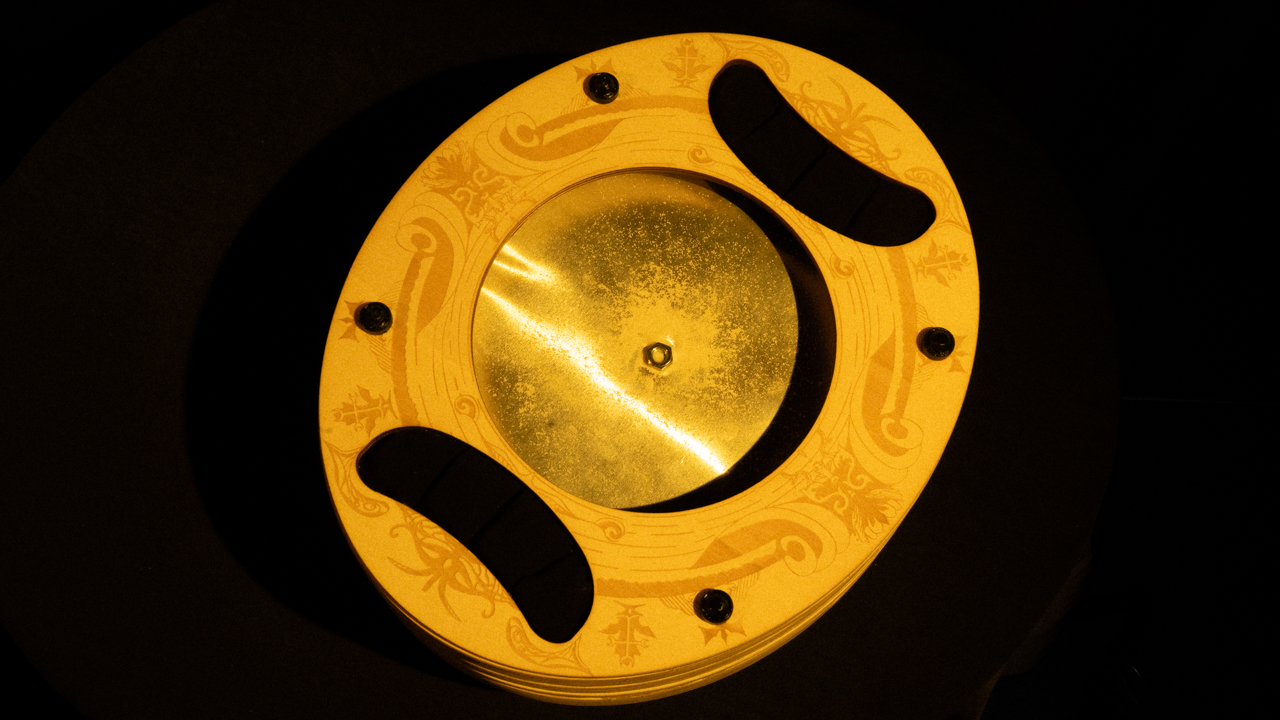
At the center of the installation is a Chladni plate covered in fine sand. Participants interact through a set of touch sensors and buttons. Their gestures trigger:
- vibrations that animate the sand
- frequencies that generate shifting patterns
- sound feedback that reinforces the sense of presence
The system responds in ways that feel intentional but not fully predictable, creating a dialogue between user and artifact.
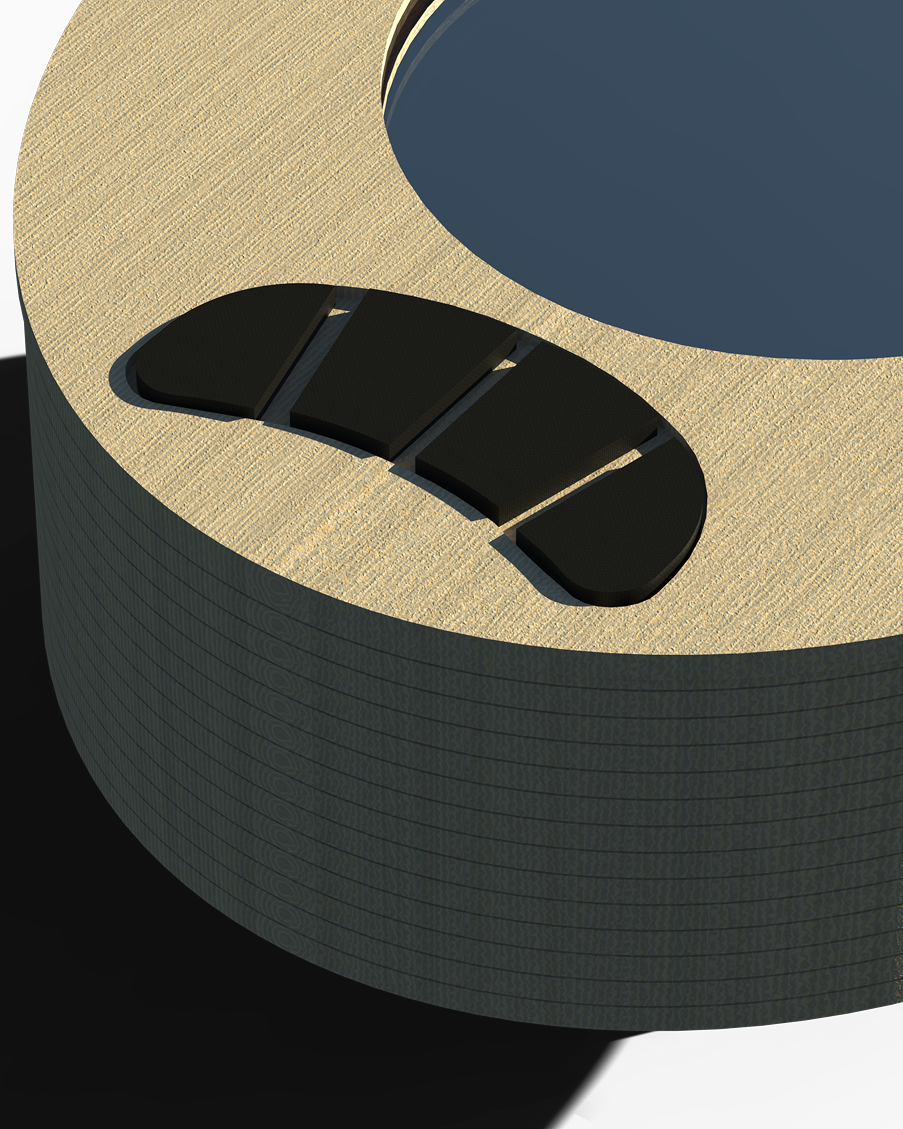
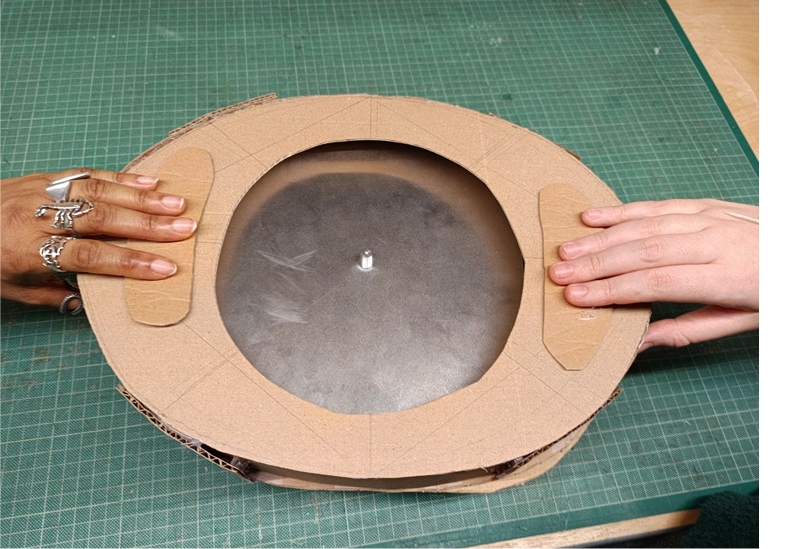
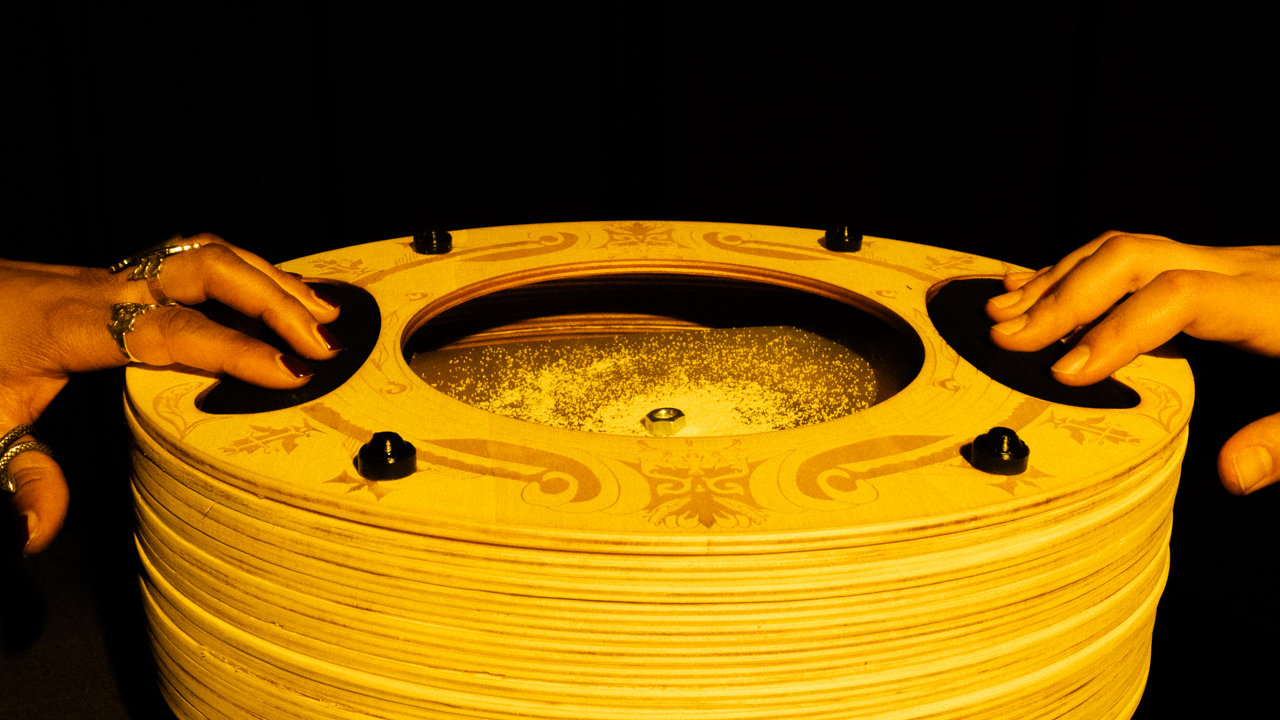
Participants interact with the installation through three capacitive touch pads. Each gesture triggers a specific frequency that sets the Chladni plate into vibration, animating the sand into shifting patterns. The system blends these frequencies based on gesture timing, creating responses that feel intentional yet unpredictable. This interaction model establishes a subtle dialogue between user and artifact, where meaning emerges through resonance rather than explicit feedback.

Process
Exploring Ambiguity
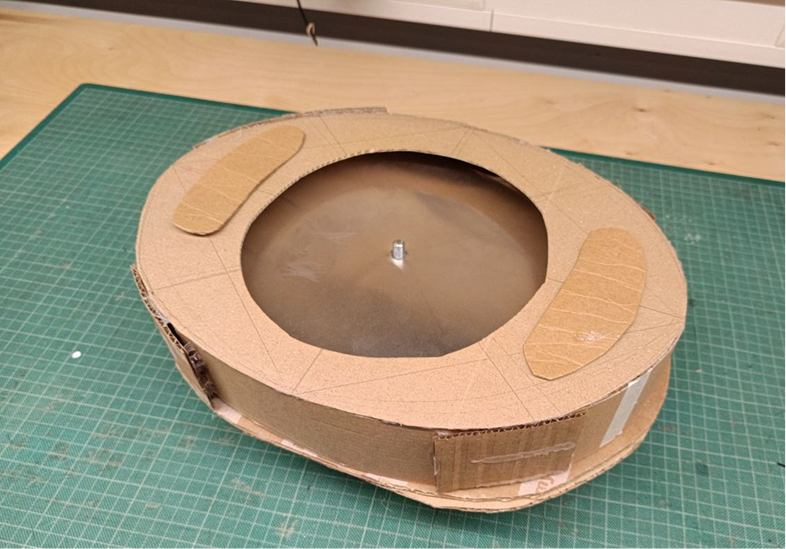
Early sketches and prototypes focused on how to create a system that feels alive without being explicit. I experimented with:
- sensor responsiveness
- frequency modulation
- sound textures
- timing and delay
- pattern stability vs. collapse.
The goal was to find a balance where the installation reacts meaningfully but never reveals a clear rule.
Prototyping the Multimodal Layer
Using Arduino, I built a series of prototypes to test:
- touch sensitivity
- vibration motors
- speaker placement
- plate resonance
- sand behavior under different frequencies.
Each iteration refined the emotional tone of the interaction — from mechanical to organic, from predictable to mysterious.
Designing the Experience
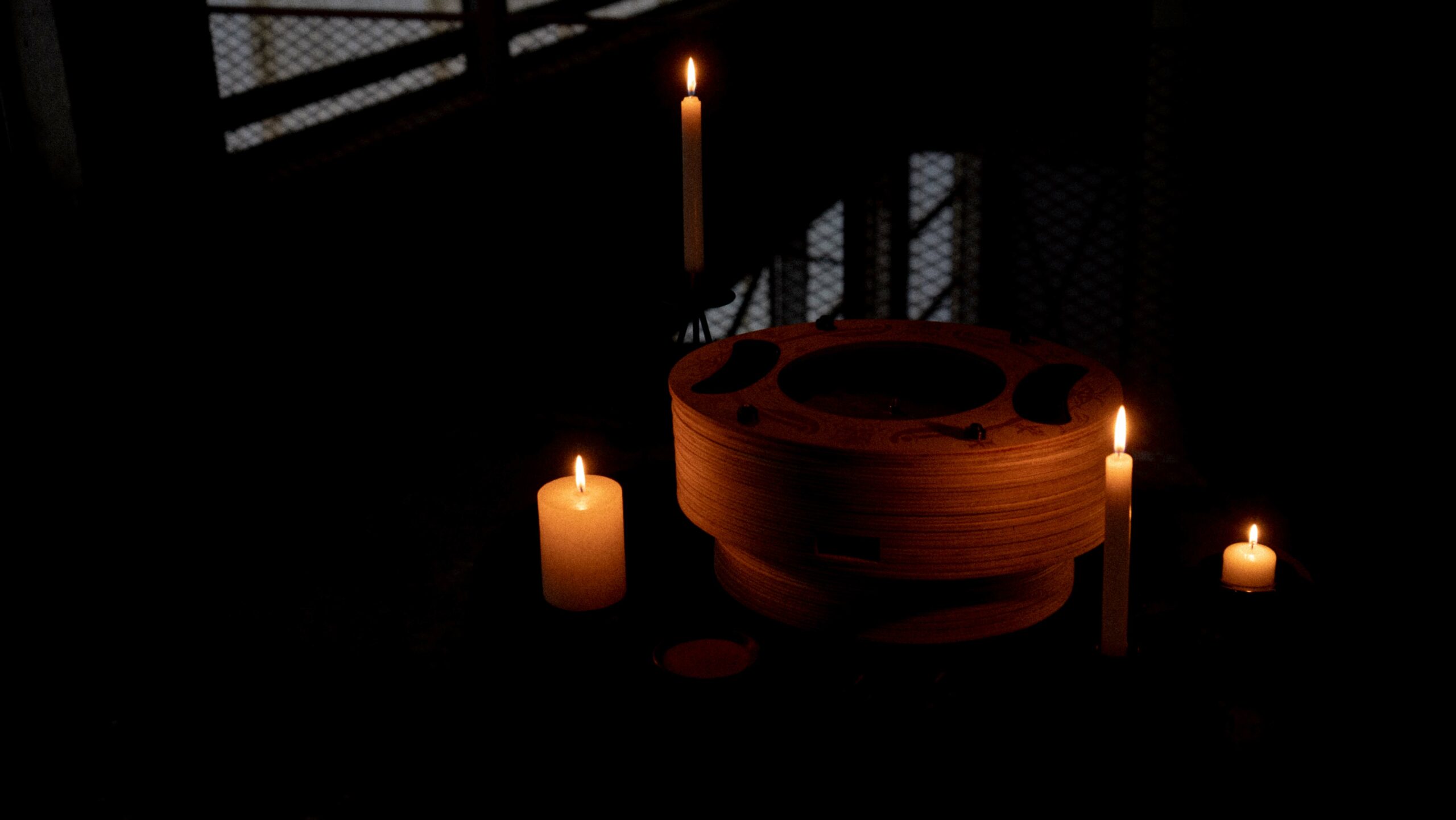
The physical setup was designed to feel ritualistic and intimate:
- a darkened environment
- a single illuminated surface
- sound that fills the space but feels close
- a minimal interface that invites exploration.
The installation encourages slow, attentive gestures rather than quick manipulation.
Final Installation
In the final version, participants approach the plate and begin to explore. As they touch the sensors, the sand shifts into patterns that appear and dissolve. Sound and vibration create a sense of presence — something responding, something almost communicating.
The experience is:
- shared — multiple participants can interact
- interpretive — each person constructs their own meaning
- embodied — the body becomes the interface
- unpredictable — no two interactions are the same



Reflection
Psyphantys taught me how multimodal interaction can shape emotional and interpretive experiences. I learned how subtle changes in vibration, timing, and sound can dramatically shift the perceived “character” of a system.
If I were to continue the project, I would explore:
- more nuanced gesture recognition
- spatial sound to deepen immersion
- adaptive behaviors that evolve over time
Psyphantys remains a key project in my practice because it embodies what I value in interaction design: ambiguity, reflection, and the poetic potential of technology.
Selected Works

Looking forward to hearing from you!
Copyright © 2026 Isabel Mercedes Parini.
All rights reserved.